Dragon Dance
Introduction
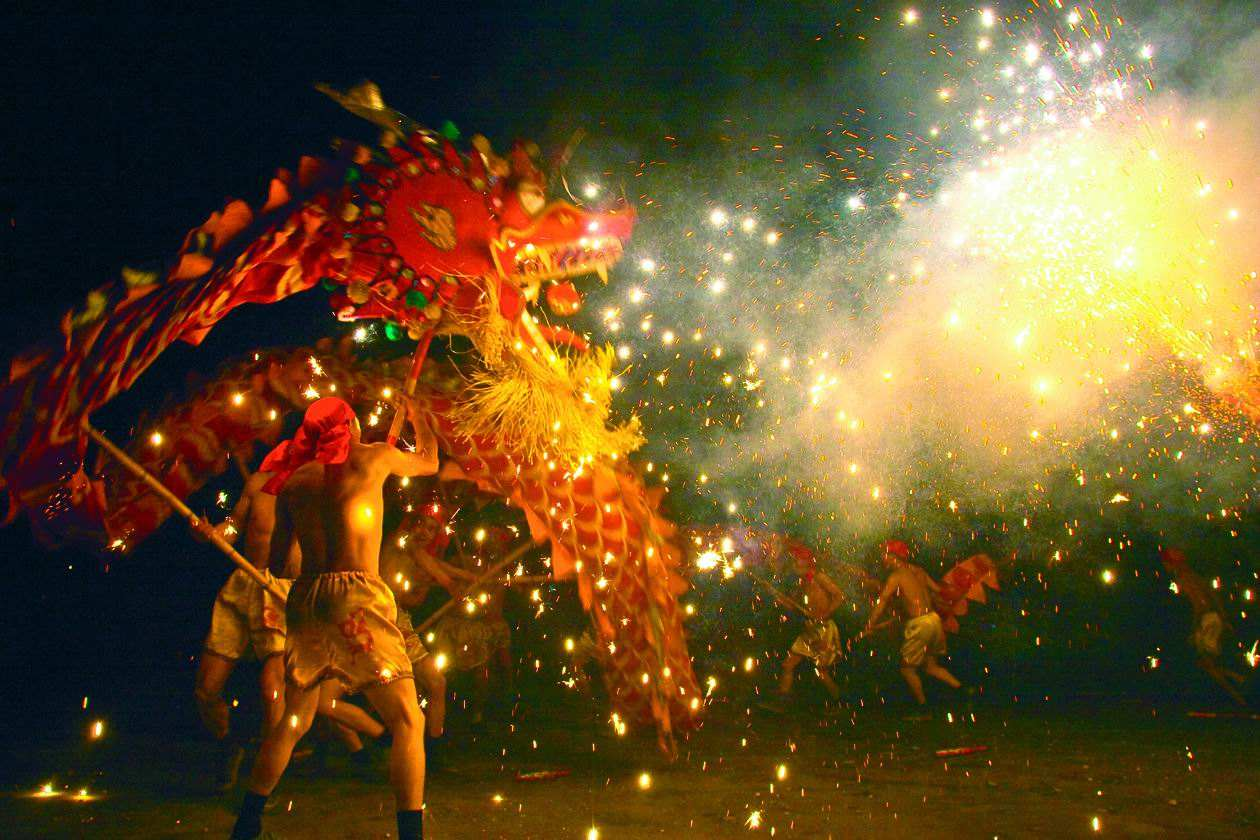
The dragon dance is a traditional dance form revered as an intangible cultural heritage in China, often performed during significant celebrations and festivals. The dragon dance has evolved from an ancient ritual intended to worship ancestors and pray for rain into a vibrant ceremonial activity that is a staple at Chinese New Year festivals, believed to bring good luck. This captivating performance features a team of dancers manipulating a large, flexible dragon puppet, which is traditionally crafted to mimic the sinuous movements of this mythical creature. Each dragon is composed of intricate segments, often made from materials like silk, and bamboo, adorned with elaborate decorations representing various symbolic meanings. The dance is a dynamic display of coordination and artistry, imbued with cultural significance that unites communities across China and beyond.
History
Origin
The origins of the dragon dance are deeply embedded in ancient Chinese culture. It is believed to have emanated from ritualistic ceremonies intended to appease and honor the deities responsible for rain and agricultural abundance. Over centuries, this ritualistic dance evolved from its solemn beginnings to become a folk custom celebrating good fortune and prosperity. The dragon, as a symbol, represents power, authority, and good luck, and its dance is a manifestation of these values.
Evolution
Throughout the centuries, the dragon dance has undergone significant transformation. Initially part of temple rituals, it gradually became integrated into broader folk customs and celebrations. As local cultures adapted the dance, it developed numerous regional varieties, each with unique characteristics. The dance transitioned from purely religious contexts to a more secular form of entertainment, still deeply rooted in cultural traditions. This evolution has allowed the dragon dance to remain a relevant and cherished part of cultural festivities, adapting to modern tastes while preserving its historical roots.
Cultural Significance
Symbolism
The dragon dance is rich in symbolism, with the dragon itself being a potent motif in Chinese mythology. The dragon is emblematic of power, dignity, fertility, wisdom, and auspiciousness. In the context of the dragon dance, it signifies the dispersal of evil spirits and the ushering in of good fortune and prosperity. The dance is performed to command the favor of the gods and ensure a bountiful harvest, symbolizing nature's life-giving forces. The dragon's movements are designed to reflect its mythical qualities, embodying strength and grace as it twists and turns through the air.
Festivals and Celebrations
Dragon dances are a vital component of many traditional Chinese festivals, most notably the Chinese New Year. During these celebrations, dragon dance performances are staged in public squares and streets, drawing large crowds and fostering a sense of unity and festivity. The performances are often accompanied by firecrackers, music, and vibrant costumes, creating a lively atmosphere. Besides the Chinese New Year, dragon dances are also performed during the Lantern Festival and other cultural events, where they serve to highlight the richness of Chinese cultural heritage and bring communities together in celebration.
Performance
Techniques
The performance of the dragon dance requires a high degree of coordination and skill from its performers. Dancers must work in unison to mimic the fluid, serpentine movements of the dragon. This involves a series of choreographed steps and swings, with dancers often wielding poles to support the dragon's body. The complexity of the dance is heightened by the need for synchronization, with each performer playing a crucial role in bringing the dragon to life. Precision, timing, and teamwork are essential, as the dragon weaves through intricate patterns and formations.
Costumes and Props
The dragon itself is a remarkable creation, composed of multiple segments crafted from materials like silk and bamboo. These segments are vividly painted and embellished with traditional designs, including scales, horns, and whiskers, to represent the mythical creature's grandeur. The head of the dragon is often the most elaborate part, featuring moveable parts that add to the performance's visual appeal. Performers typically wear matching costumes that complement the dragon's color scheme, enhancing the overall aesthetic of the dance.
Music and Accompaniment
Music plays an integral role in the dragon dance, setting the rhythm and enhancing the performance's energy. Traditional Chinese instruments such as drums, cymbals, and gongs are commonly used to provide a dynamic and rhythmic backdrop. The music's tempo is synchronized with the dragon's movements, guiding the dancers through their routine and adding layers of excitement and anticipation to the performance. The auditory spectacle created by the music amplifies the visual impact of the dance, creating an immersive experience for the audience.
Dragon Dance in Modern Times
In modern times, the dragon dance has transcended its cultural origins to gain global recognition and influence. As Chinese communities have spread across the world, so too has the tradition of the dragon dance. It has become a symbol of cultural identity and pride, performed at international events and cultural festivals, promoting cross-cultural understanding and appreciation. Its vibrant displays have captured the imagination of audiences worldwide, contributing to the global awareness and appreciation of Chinese cultural heritage.








